Every week somebody calls us after getting three quotes for the same size dumpster that are wildly different, wondering which company is lying. Usually none of them are - they're just pricing different things. One quote assumes clean drywall, another assumes old roof shingles, and a third folds in a permit fee the others left out. Understand what actually drives dumpster rental cost in Naperville and you stop comparing apples to oranges.
We run roll-off dumpsters from Route 59 to downtown Naperville and out into the western suburbs every day, so this isn't theory. Here's the honest version of how pricing works.
Flat-Rate vs. Variable Pricing - Know Which One You're Getting
A flat-rate quote bundles delivery, pickup, a set rental period, and a set tonnage allowance into one number - you know the ceiling before the container touches your driveway. A variable quote looks cheaper on the phone because it strips out the tonnage allowance, trip fee, or extra days and adds them back later as invoice line items. Both models are legitimate; the problem is when a variable quote gets presented like a flat one so it "wins" the call, then surprises you at pickup.
Ask any company point-blank: "Is tonnage included, and what happens if I go over?" If they hesitate, that's your answer.
Size Is the Starting Point, Not the Whole Story
Bigger containers cost more to deliver and haul, full stop - a 10 yard dumpster is the cheapest thing on the lot and a 40 yard dumpster the most. But size alone doesn't determine the final bill as much as people assume, because a half-full 30 yarder of heavy debris can cost more than a packed 15 yarder of light debris. Renting the right size for the job, not the biggest one "just in case," is still the easiest way to control cost. Our sizing guide walks through that decision project by project.
The Sizes We Run Most in Naperville
- 10 yard - small bathroom gut, garage cleanout, small flooring tear-out
- 15 yard - single-room remodel, deck removal, moderate cleanouts
- 20 yard - our most-rented size for kitchen remodels and whole-house decluttering
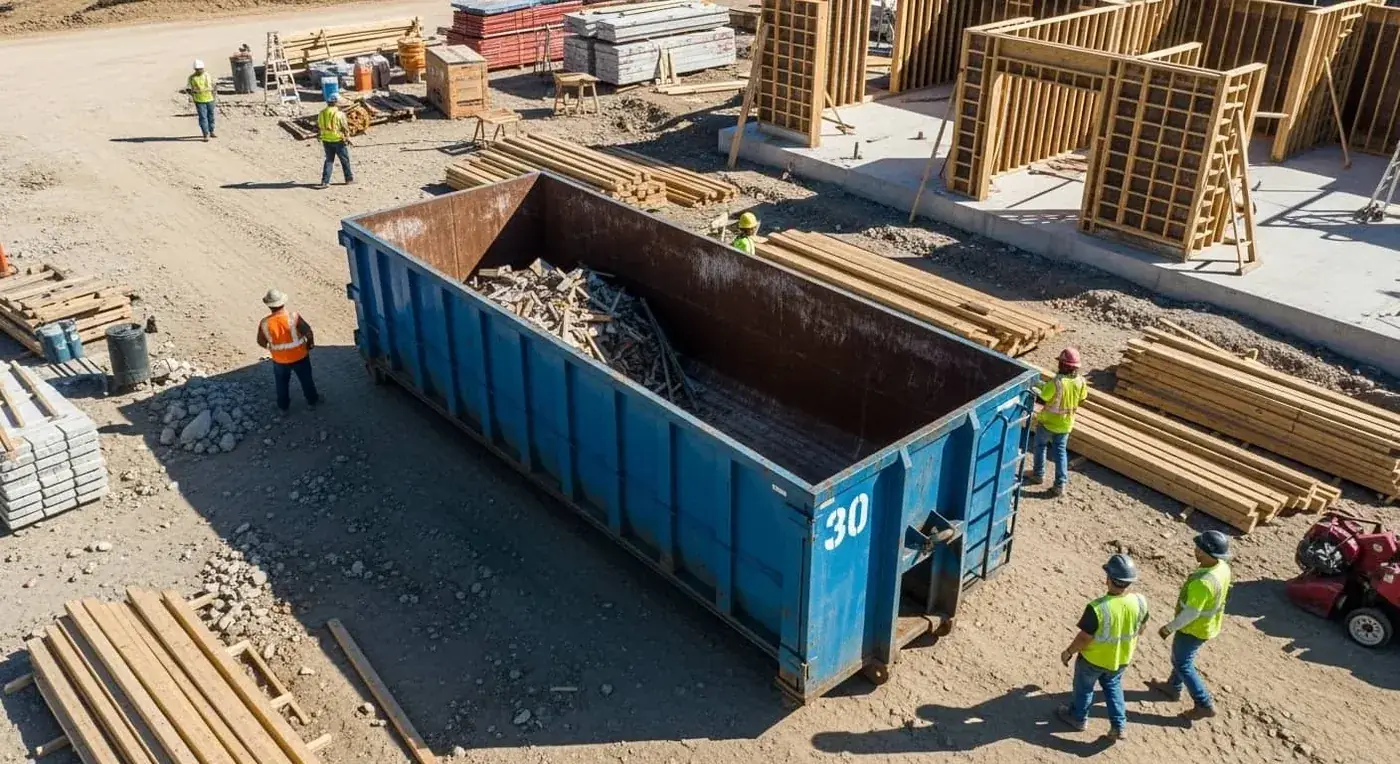
- 30 yard - additions, new construction debris, larger estate cleanouts
- 40 yard - commercial teardown and major construction volume
Why Weight Changes Everything - Volume Isn't the Same as Tonnage
This is the part that trips people up more than anything else. A 20 yard dumpster full of couch cushions, cardboard, and old furniture might weigh under a ton. That same 20 yard dumpster filled level with concrete, brick, or wet dirt can weigh six or seven tons, because those materials are dense, not because they take up more space. Every dumpster has a tonnage allowance built into the price, and everything past that line gets billed per ton. Debris type is the real cost driver, not container size.
That's why we ask what's going in the box before quoting a number. Clean, source-separated concrete, brick, and dirt actually run cheaper per ton than mixed debris, since it can go to a dedicated fill or crushing operation instead of a transfer station - but only if separated, and only in a dedicated heavy-debris box. Mix it with shingles and lumber and you lose that rate. Clearing a patio or driveway? Ask about a dedicated concrete and heavy debris container instead of loading a regular construction dumpster with it.
Debris Categories That Move the Price
- Clean concrete, brick, asphalt, dirt - dense but often cheapest per-ton if kept separate; needs its own load-rated box
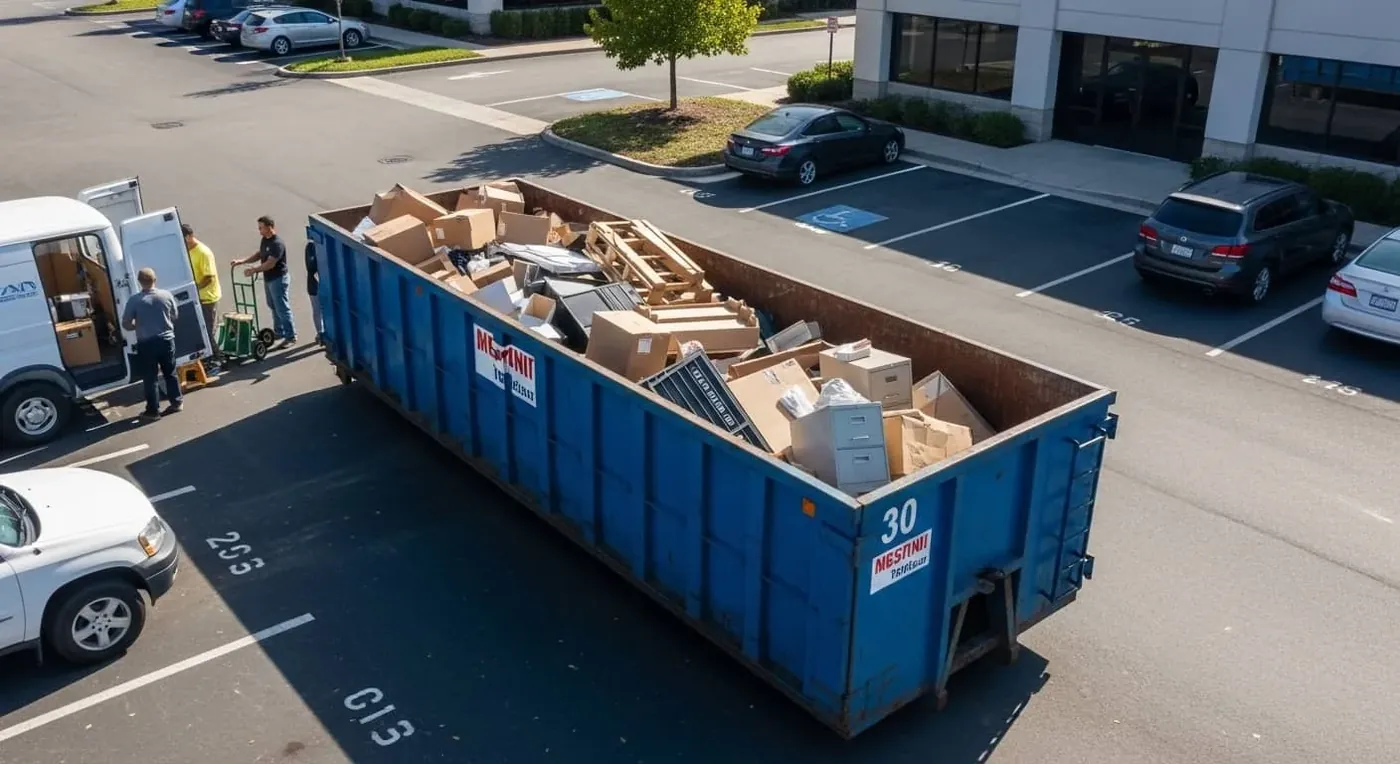
- Mixed construction & demolition (C&D) - lumber, drywall, flooring, roofing mixed together; a typical construction dumpster and demolition load
- Roofing shingles - deceptively heavy per yard; see our roofing tear-off guide before guessing a size
- Household junk / cleanout debris - lighter and bulkier, common on junk removal and residential jobs
- Yard waste - banned from Illinois landfills since 1990, so it's routed through composting streams instead; see our yard waste dumpster page and don't mix it into a C&D box
What DuPage County Disposal Reality Adds to the Bill
We're not hauling to some flat-rate mystery landfill. Depending on what's in the box, loads from Naperville go to a transfer station, a construction and demolition recycling facility, or a licensed landfill in DuPage, Will, or Kane County, each charging its own tipping fee based on weight and material type. Illinois also bans several materials outright from landfill disposal - yard waste, tires, appliances containing CFC refrigerant like refrigerators and window AC units, lead-acid batteries, and electronics all have to be diverted to separate recycling or take-back programs. If one of those items ends up in your container, expect a per-item handling fee rather than a landfill charge, because we have to pull it and route it separately. Keep that stuff out of the box in the first place - our Illinois dumpster rules guide lists exactly what's prohibited.
Distance From the Yard Isn't Nothing
Every roll-off truck run costs fuel and driver time whether the container goes a mile down the road or clear out toward Yorkville or Aurora. Jobs close to our Naperville yard near High Grove Lane are the most efficient. Jobs further out along I-88, Route 59, or into the outer edges of our service area in DuPage, Will, and Kane counties may carry a small trip charge built into the flat rate. It's rarely the biggest line item, but an honest quote accounts for it upfront instead of adding a surprise "fuel surcharge" later.
Placement: Driveway vs. Street
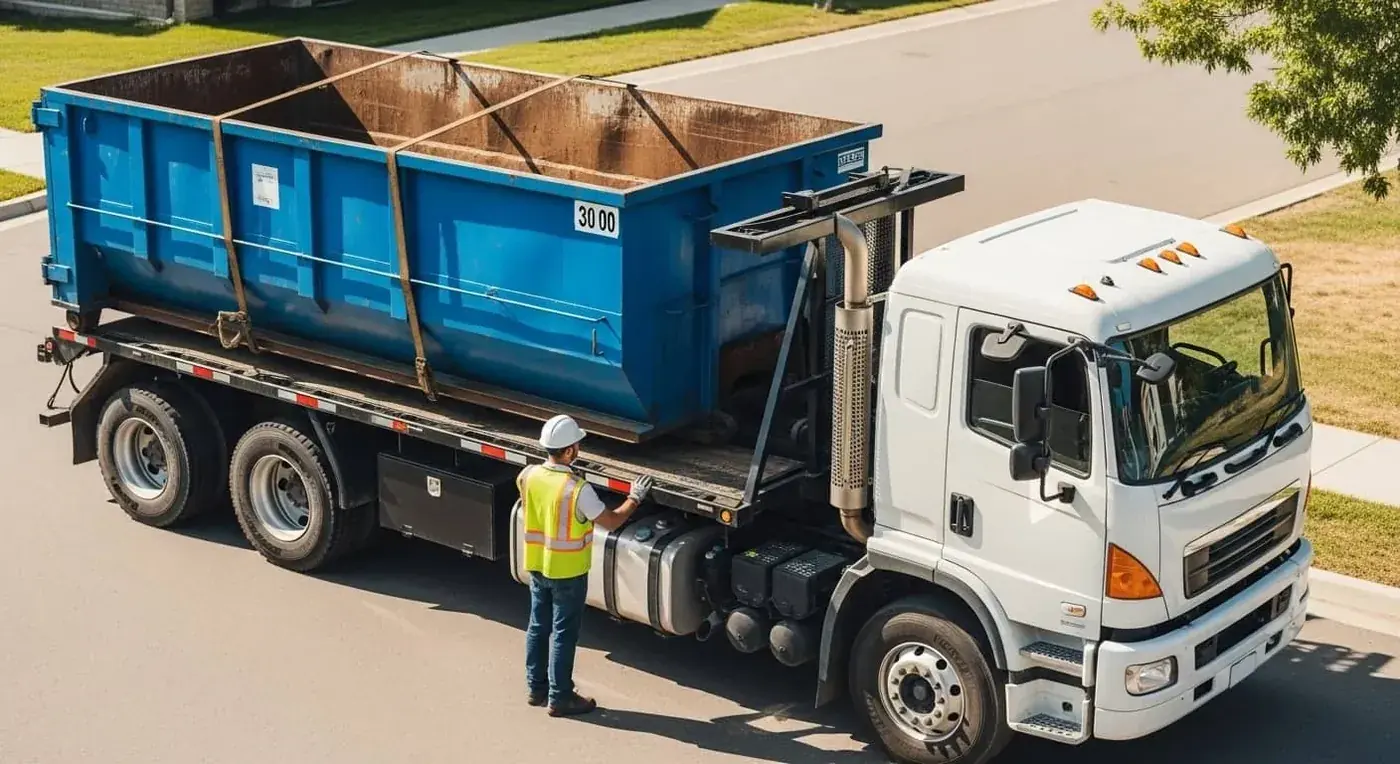
Drop it on your own driveway and there's no permit involved - the cheapest, simplest placement, and what we recommend whenever there's room. Put it on the street because the driveway's too narrow, under construction, or the HOA won't allow curbside placement, and the City of Naperville requires a Right-of-Way permit before the container goes down: an application through the city's permit portal, a maintenance bond, and a permit fee - non-excavation permits run around $88, with excavation or street-closure permits closer to $120, per the City of Naperville's permit office. Review takes about two weeks, so call us before your project start date, not the week of. Full walkthrough in our Naperville permit guide.
Narrow driveways in some of Naperville's older HOA subdivisions are their own factor. If a 20 or 30 yard container can't turn in without clipping landscaping or a shared drive, we may place it partially on the apron or recommend a smaller size - a placement conversation, not a pricing gimmick. Ask us to check satellite images of your driveway before delivery day.
Extensions, Overages, and Other Line Items to Ask About
Rental periods are set for a number of days; if your project runs long, extension days bill beyond that window. Tonnage overage bills per ton past your allowance. Prohibited items - mattresses in some jurisdictions, tires, Freon appliances, paint cans, batteries - can trigger a separate handling fee. None of this is hidden when disclosed upfront; it's only a problem when a company waits until the invoice to mention it.
Cost Factors at a Glance
Nobody should have to guess where they land on that table before booking. Call (331) 244-7243 and tell us what you're clearing out - we'll give you the size, the allowance, and the flat number before you commit.
How to Compare Quotes Apples-to-Apples
Ask every company the same five questions:
- Is this a flat rate, and does it include delivery and pickup?
- How many tons are included, and what's the per-ton overage rate?
- How many rental days are included, and what's the daily extension rate?
- Is a right-of-way permit needed for my placement, and who's responsible for pulling it?
- What items trigger an extra fee if they show up in the load?
The company that answers all five without dodging is the one you can trust to hand you a bill that matches the quote - whether you're pricing a roofing tear-off, a commercial cleanout, or a straightforward residential project.
Red Flags of a Lowball Teaser Rate
- A quote significantly below every other one with no explanation of what's excluded
- No mention of a tonnage allowance - meaning every pound is billed separately
- Vague or refused answers about permit responsibility for street placement
- Pressure to book same-day before you can compare a second quote
- No local address or phone number that rings a real person who knows Naperville streets
We'd rather quote the real number once than the fake number twice.
Get a Straight Answer
Every project is different - a garage cleanout in a Naperville HOA with a narrow driveway prices differently than a roofing tear-off on a wide-open lot. Tell us the debris type, rough volume, and where the container needs to sit, and we'll give you a flat number over the phone. Call (331) 244-7243, visit our services page, or check our blog for more Naperville-specific guides. We're at 1835 High Grove Ln #107, Naperville, IL 60540, dropping boxes on driveways from downtown Naperville to the edges of DuPage, Will, and Kane counties - read more about us or reach out through our contact page.